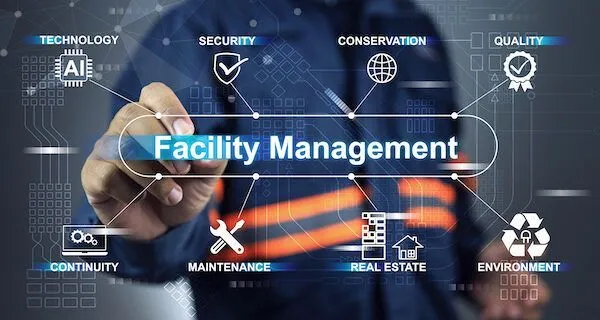
Managing facilities has become increasingly complex and critical to operational success. Traditional maintenance approaches are no longer sufficient to meet the growing demands of efficiency, cost control, and sustainability. This is where modern facility management tools and techniques play a vital role, combining advanced technologies with structured operational strategies to optimize building performance and asset utilization. These solutions enable organizations to shift from reactive maintenance toward smarter, data-driven decision-making.
In this article, we will explore the key tools used in facility management, the most effective techniques applied in modern organizations, and how their integration creates a more efficient, intelligent, and sustainable facility ecosystem.
Facility management tools and techniques refer to integrated digital systems and operational strategies used to control, monitor, and optimize building operations, assets, and infrastructure.
The search intent behind this topic is primarily informational and solution-based. Users typically want to understand:
What tools are used in facility management
How modern FM techniques improve operations
Which systems reduce costs and increase efficiency
Modern facility management is now driven by data, automation, and predictive intelligence rather than manual processes.
What are Facility Management Tools and Techniques?
Facility management tools and techniques refer to an integrated set of digital systems and operational strategies used to monitor, operate, and optimize the performance of buildings, facilities, and assets effectively.
These solutions aim to improve operational efficiency, reduce failures, and enhance resource utilization within organizations.
This ecosystem includes several key components, such as:
CAFM Systems: Used to centrally manage space, assets, and operational processes.
CMMS Systems: Used for maintenance management and automated work order scheduling.
Maintenance and asset management systems, which are used to organize maintenance activities and track equipment and assets throughout their lifecycle.
Internet of Things (IoT) technologies, which rely on sensors to collect real-time operational data from equipment and buildings.
Energy monitoring systems, which help track electricity and water consumption and improve efficiency in usage.
Operational data analytics platforms, which analyze continuous data streams to support decision-making and performance optimization.
The importance of these tools lies in transforming facility management from a traditional reactive model—where actions are taken after failures occur—into a smart, predictive model based on forecasting and advanced data analysis.
Advanced Facility Management Techniques (Operational Intelligence Layer)
Facility management techniques define how tools are strategically applied to improve performance.
Key techniques include:
Preventive Maintenance: Scheduled servicing to prevent unexpected equipment failures.
Predictive Maintenance: AI-driven forecasting of failures based on sensor data and analytics.
Lifecycle Asset Management: Managing assets from acquisition to disposal for maximum value.
Space Optimization: Improving the utilization of physical spaces to reduce waste and cost.
Energy Optimization Strategies: Reducing consumption through intelligent automation and monitoring.
These techniques transform facility management from reactive operations into proactive operational intelligence.
Smart Integration: AI, IoT & Data-Driven Facility Management
Modern facility management tools and techniques depend heavily on the integration of AI, IoT, and data analytics systems.
IoT devices continuously collect operational data, while AI algorithms analyze this data to:
Predict equipment failures before they occur
Optimize energy consumption in real time
Detect inefficiencies across systems
Improve maintenance scheduling accuracy
This integration creates a smart facility ecosystem where decisions are automated, predictive, and data-driven.
Benefits of Facility Management Tools and Techniques
Organizations that adopt advanced FM systems experience significant operational improvements, including:
Reduced maintenance and operational costs
Increased asset lifespan and efficiency
Improved energy performance and sustainability
Enhanced compliance and reporting accuracy
Higher productivity across facility operations
Real-time monitoring and control of infrastructure
These benefits directly contribute to improved ROI and long-term operational stability.
Real-World Use Cases in Smart Organizations
In modern enterprises, facility management is integrated across multiple departments:
Operations teams use CMMS for maintenance control
Finance teams monitor asset depreciation and costs
Sustainability teams track energy usage and emissions
Management teams rely on dashboards for strategic decisions
This cross-functional integration makes facility management tools and techniques a core component of digital transformation strategies.
Upgrade your facility operations with smart automation and predictive intelligence.
Contact IMS Smart Management Solutions today to implement advanced facility management tools and techniques that improve efficiency, reduce costs, and enhance operational performance.

-webp.webp)