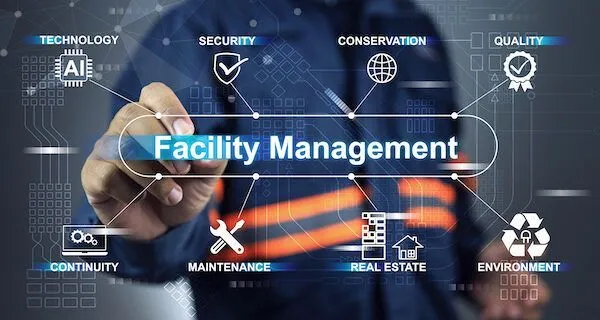
Facility management (FM) is essential for ensuring that buildings and facilities run efficiently, safely, and effectively. Beyond routine maintenance, FM is a strategic discipline that coordinates people, processes, and technology to optimize the performance and lifespan of physical assets. For decision-makers, understanding the different types of facility management is crucial for developing strategies that enhance operational efficiency, improve occupant comfort, and maintain full compliance with regulatory and safety standards.
Facility Management Types
Understanding the different types of facilities management is critical for designing an effective FM strategy that ensures operational efficiency, occupant satisfaction, and regulatory compliance. The facility management company is generally provides three main types: Hard FM, Soft FM, and Integrated FM.
Hard FM (Technical/Physical Facilities Management)
Definition:
Hard FM focuses on the physical and technical infrastructure of a building, ensuring it remains functional, safe, and compliant with industry standards.
Key Services Include:
1. Electrical System Maintenance: Inspection, repair, and upgrading of electrical networks and circuits.
2. HVAC (Heating, Ventilation, Air Conditioning) and Plumbing: Regular preventive maintenance and emergency repairs to maintain comfort and operational efficiency.
3. Fire Safety Systems: Maintenance of fire alarms, sprinkler systems, and emergency lighting.
4. Structural and Mechanical Maintenance: Upkeep of the building’s structural integrity, elevators, and mechanical equipment.
Importance:
Hard FM ensures that all critical systems operate without interruption, reduces downtime, and extends the lifespan of the building’s infrastructure. It is essential for compliance with safety and regulatory standards.
Examples: Commercial office buildings, hospitals, industrial facilities.
Soft FM (Occupant-Focused Services)
Definition:
Soft FM involves services that directly impact occupant comfort, safety, and overall experience within a facility. It focuses on supporting daily operations rather than the technical infrastructure.
Key Services Include:
1. Cleaning and Janitorial Services: Regular cleaning, waste disposal, and hygiene management.
2. Security and Surveillance: Access control, CCTV monitoring, and security personnel.
3. Landscaping and Grounds Maintenance: Maintaining gardens, green spaces, and external aesthetics.
4. Catering and Reception Services: Cafeteria management, visitor handling, and concierge services.
Importance:
Soft FM enhances the work environment, employee productivity, and visitor satisfaction. A well-managed soft FM operation creates a safe, clean, and pleasant environment.
Examples: Schools, corporate offices, hotels, and retail centers.
Integrated FM (Comprehensive Facilities Management)
Definition:
Integrated FM combines both Hard FM and Soft FM services under a single management system to provide end-to-end facility solutions.
Benefits:
1. Streamlined Operations: Centralized management ensures consistency across all services.
2. Reduced Service Duplication: One provider handles both technical and support services efficiently.
3. Centralized Monitoring and Reporting: Performance metrics, compliance, and service quality are tracked in real-time.
4. Cost Efficiency and Sustainability: Reduces operational costs and supports sustainable practices like energy management and resource optimization.
Key Services:
All Hard and Soft FM services under a single management plan, including:
1. Building maintenance
2. Cleaning and security
3. Energy and sustainability management
4. Compliance, audits, and risk management
Examples: Large corporate campuses, hospitals, mixed-use developments, and government facilitie
Type | Focus | Key Services | Examples |
Hard FM | Physical infrastructure | Electrical, HVAC, plumbing, fire safety, structural & mechanical maintenance | Industrial facilities, commercial offices, hospitals |
Soft FM | Occupant comfort & support | Cleaning, security, landscaping, catering, reception | Schools, hotels, corporate offices, retail centers |
Integrated FM | Comprehensive management | All Hard & Soft services under one system | Large campuses, mixed-use developments, hospitals, government buildings |
Choosing the right type of facility management depends on your organizational needs, facility type, and operational goals. While Hard FM ensures the technical functionality of a building, Soft FM enhances occupant comfort, and Integrated facility management combines both for a holistic, efficient, and cost-effective solution.
Benefits of Implementing a Facilities Management System (FMS)
Adopting a Facilities Management System (FMS) delivers multiple advantages for organizations and property owners, most notably:
1. Enhanced Operational Efficiency: Streamlining maintenance schedules and minimizing downtime — keeping every system and service running without costly interruptions.
2. Cost Reduction: Optimizing resource utilization and reducing energy consumption — driving down operational expenditure while maintaining the highest standards of service delivery.
3. Compliance Assurance: Ensuring full adherence to safety, environmental, and legal requirements — protecting the organization from regulatory risk and liability at every level.
4. Improved Employee and Occupant Satisfaction: Enhancing the work environment and elevating comfort levels — creating spaces where people are more productive, motivated, and engaged.
5. Extended Asset Lifespan: Prolonging the operational life of building systems and equipment — maximizing the return on capital investment and deferring the need for costly replacements.
Specialized Types of Facility Management
While hard FM and soft FM are the two major categories, facility management also includes specialized services tailored to specific industries and building types:
1. Energy Management – Monitor and reduce energy consumption.
2. Security Management – Implement safety protocols and surveillance systems.
3. Cleaning and Janitorial Services – Maintain hygiene and sanitation standards.
4. Compliance and Risk Management – Ensure regulatory adherence and reduce liability.
5. Maintenance and Repairs – Scheduled preventive maintenance to avoid costly breakdowns.
These specialized types enhance operational efficiency and can be customized for commercial offices, hospitals, educational institutions, or industrial facilities.
How Can Facilities Maintenance Work Be Streamlined?
Facility maintenance can present a significant challenge when a structured approach is absent. Facilities management services help simplify operations by taking ownership of the following:
Maintenance: Conducting periodic inspections, implementing preventive maintenance programs, and resolving breakdowns promptly — ensuring every system remains operational and reliable at all times.
Cleaning: Providing professional cleaning services for offices, restrooms, and common areas — maintaining hygiene standards and creating an environment that reflects positively on your organization.
Security: Managing security teams, surveillance systems, access control, and emergency response plans — safeguarding both people and assets around the clock.
Energy Management: Monitoring energy consumption, implementing conservation strategies, and conducting sustainability audits — reducing costs while advancing your organization's environmental commitments.
Compliance: Ensuring facilities fully adhere to safety, environmental, and legal requirements — protecting the organization from regulatory exposure and maintaining a safe, lawful operating environment at every level.
Effective facility management types are critical for protecting assets, ensuring compliance, and improving operational efficiency. Whether you need hard FM, soft FM, or integrated FM, our team of experts can design and implement tailored solutions for your organization.
Consult IMS FM today for professional integrated facility management services to streamline operations, reduce costs, and enhance the value of your assets

-webp.webp)