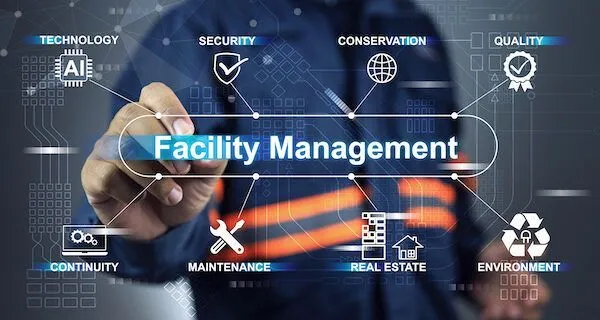
Integrated Facilities Management is considered one of the most advanced models for managing and operating buildings and facilities. It is based on integrating all facility services under one administrative and operational system. Decision-makers in organizations often ask: What is Integrated Facilities Management? And why has it become a strategic choice for companies seeking to improve operational efficiency and reduce costs?
Simply put, Integrated Facilities Management (IFM) refers to a management approach that combines technical building services and operational support services within a unified framework managed by a specialized service provider. Instead of managing each service separately, all operational and technical activities are coordinated within an integrated system that focuses on improving facility performance and maximizing asset efficiency.
For CEOs, operations managers, and asset owners, understanding integrated facilities management services is a key step toward developing a modern operational strategy that ensures building sustainability and enhances the experience of occupants and visitors.
What Are Integrated Facilities Management Services?
When we talk about integrated facilities management services, we refer to a group of services that are combined under a unified management structure to ensure facilities operate efficiently and smoothly.
The Integrated Facilities Management (IFM) model generally includes three main categories of services:
1. Technical Facility Services
Technical services refer to engineering and technical services related to building infrastructure and operational systems. These services are essential to ensure facility safety and continuity of operations.
These services typically include:
Electrical systems and power network maintenance
HVAC (Heating, Ventilation, and Air Conditioning) maintenance
Plumbing and water network maintenance
Fire safety systems, firefighting systems, and alarm systems
Elevator and escalator maintenance
Mechanical and structural building maintenance
These services help maintain facility infrastructure and ensure safe and efficient operations.
2. Operational Support Services
Operational support services focus on improving the work environment and supporting building occupants.
These services include:
Catering and hospitality services
These services play an important role in improving the overall building experience while increasing comfort and productivity
3. Strategic and Specialized Facility Services
In addition to technical and operational services, integrated facilities management also includes strategic functions that support long-term asset performance and operational improvement.
These services may include:
Energy management and sustainability solutions
Regulatory compliance and risk management
Asset lifecycle management
Building Management Systems (BMS)
Computer-Aided Facilities Management (CAFM) systems
IoT-based monitoring and predictive maintenance
By integrating these services within the IFM model, organizations can streamline operations and improve real-time performance monitoring.
Objectives of Integrated Facilities Management
The main objectives of integrated facilities management focus on improving building operations, maximizing resource efficiency, and reducing operational costs.
Key objectives include:
1. Improving Operational Efficiency
By integrating multiple services under one management structure, organizations can improve coordination and reduce system downtime.
2. Cost Optimization (Cost Reduction)
Integrated service management helps reduce costs associated with managing multiple vendors and service contracts.
3. Regulatory Compliance
Ensures facilities meet safety standards, environmental standards, and regulatory requirements.
4. Enhancing Occupant Experience
Facilities managed through IFM provide safer and more comfortable environments for employees and visitors.
5. Supporting Sustainability
Modern IFM strategies promote energy-efficient technologies and environmentally responsible practices.
Difference Between Traditional Facilities Management and Integrated Facilities Management
Type | Description |
Traditional Facilities Management | Managing services separately through multiple providers |
Integrated Facilities Management | Integrating technical and operational services under one management |
Total Facilities Management | One provider takes full responsibility for all facility services |
The IFM model helps organizations reduce operational complexity while improving service quality.
Industries That Use Integrated Facilities Management
Many industries rely on IFM services to maintain operational efficiency and manage complex infrastructure, including:
Airports
Hospitals and healthcare facilities
Commercial towers and office buildings
Residential communities
Factories and industrial facilities
Universities and educational institutions
Shopping malls and retail centers
These sectors often require highly coordinated facility services due to complex infrastructure and operational requirements.
Steps to Implement Integrated Facilities Management
Successful IFM implementation requires a structured and strategic approach:
Facility assessment
Needs analysis
Service integration
Implementation of digital facility systems (CAFM, BMS)
Continuous monitoring and improvement using KPIs
Key Performance Indicators (KPIs) in IFM
Organizations use KPIs to measure the success of IFM implementation, such as:
Maintenance response time
Asset downtime
Energy consumption
User satisfaction
Operating costs
Measuring these indicators helps improve operational performance and supports data-driven decision-making.
Challenges of Implementing IFM
Despite its many benefits, organizations may face challenges such as:
Complexity of integrating multiple services
Need for advanced facility management technology
Selecting a qualified IFM service provider
Initial transition costs
Staff training on new systems and processes
However, these challenges can be reduced through proper planning and partnering with an experienced facilities management company.
The Future of Integrated Facilities Management
The facilities management industry is evolving rapidly due to technological innovation and increased focus on sustainability.
Key future trends include:
Smart buildings
Energy optimization
Data-driven facilities management
Artificial intelligence and automation for predictive maintenance
These innovations continue to enhance the benefits of IFM and improve operational efficiency.
Benefits of Integrated Facilities Management
Organizations that adopt IFM gain major advantages, including:
Reduced operational disruptions
Better resource utilization
Lower maintenance and repair costs
Improved work environments
Enhanced compliance and safety management
Ultimately, IFM allows organizations to focus on their core business while experts handle the complexity of facility operations.
Understanding Integrated Facilities Management helps organizations improve facility operations, increase operational efficiency, reduce costs, and enhance the work environment. Partnering with a specialized IFM company is a strategic step toward achieving the best operational and financial results.
If you are looking for integrated facilities management company that help streamline operations and improve the efficiency of your facility, partnering with a specialized facilities management company is a strategic step toward achieving the best results.
Partner with IMS Smart Management Solutions to obtain professional integrated facilities management services that help simplify operations, reduce costs, and enhance the performance of your facilities. Contact the IMS team today to learn how Integrated Facilities Management (IFM) solutions can improve operational efficiency and increase the long-term value of your assets.

-webp.webp)