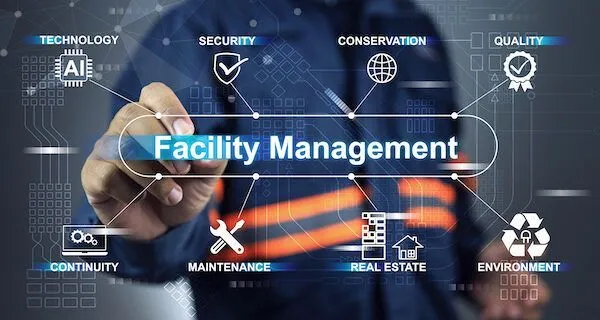
How modern hospitals manage infrastructure, maintenance, and support services to provide safe and continuous patient care
Behind every efficiently operating hospital lies an invisible workforce of systems, processes, and professionals that are not directly related to medicine — yet without them, healthcare cannot function. This is the field of healthcare facilities management: the discipline responsible for keeping every light on, every ventilator running, every corridor disinfected, and every building regulation enforced, 24/7, all year round.
As healthcare institutions become more complex — through the integration of advanced imaging systems, robotics, smart building technologies, and increasingly strict regulatory requirements — the role of healthcare facilities management has evolved from a back-office function into a strategic operational priority. Today, it sits at the intersection of engineering, compliance, technology, and patient safety.
What is Healthcare Facilities Management?
Healthcare facilities management is the integrated coordination of all non-clinical services that enable a hospital or medical institution to operate safely, efficiently, and continuously. It includes the built environment — the physical structure of the hospital — as well as all embedded technical systems: electrical networks, HVAC systems, plumbing, medical gas supply, fire suppression, security systems, and more.
Importantly, facilities management is not just maintenance. It is a strategic management function that aligns physical operations with clinical goals, regulatory obligations, and financial constraints. A well-managed facilities department ensures that the care environment never becomes a barrier to delivering care.
Hospital Facility Maintenance Scope Includes:
Preventive Maintenance: Scheduled inspections and servicing of building systems and medical equipment to prevent failures.
Corrective Maintenance: Rapid response to equipment or system failures to restore functionality.
Predictive Maintenance: Using sensor data and analytics to anticipate failures before they occur.
Compliance Maintenance: Ensuring all systems meet current health, safety, and building code standards.
What is FM in a Hospital? Roles and Responsibilities
FM in a hospital refers to the entire ecosystem of facilities management services operating within a clinical environment. Since hospitals run 24/7 — and failures can have immediate life-threatening consequences — healthcare FM carries a level of critical importance unmatched by almost any other building type.
Core FM Areas in a Hospital Environment:
Engineering & Technical Services: Maintenance of MEP systems; boilers, generators, and utilities infrastructure.
Medical Gas Management: Safe supply of oxygen, nitrous oxide, medical air, and vacuum systems.
Infection Control & Environmental Hygiene: Cleaning protocols, waste management, and sterile environment standards.
Fire Safety & Emergency Preparedness: Fire suppression systems, drills, and evacuation compliance.
Security & Access Control: Protection of patients, staff, and sensitive areas such as pharmacies and NICUs.
Energy Management: Optimization of electricity, water, and fuel usage.
Logistics & Support Services: Internal transport, catering, linen, and waste disposal services.
Role of a Facilities Manager in Hospitals
A hospital facilities manager holds a uniquely demanding leadership role. Unlike in commercial settings, they must balance operational efficiency with clinical sensitivity — for example, scheduling HVAC maintenance around surgical operations, or ensuring generator testing does not disrupt ICU power supply.
Key Responsibilities:
Developing and executing annual maintenance and capital planning strategies
Leading multidisciplinary teams of engineers, technicians, cleaners, and security staff
Managing vendor relationships and service level agreements (SLAs)
Ensuring compliance with standards such as HTM, NFPA 99, and JCI accreditation requirements
Reporting facility performance metrics to hospital leadership
Driving continuous improvement and sustainability initiatives
You can request healthcare facility management services and integrated operational solutions from IMS – Smart Management Solutions by filling out the contact form to ensure safe and continuous operation of your facility.
Hospital Asset & Maintenance Management Software
Modern hospitals operate thousands — sometimes tens of thousands — of assets. Manual tracking is no longer possible. Hospital asset management and healthcare maintenance software have become essential infrastructure.
These systems (CMMS or EAM platforms) provide:
Complete asset lifecycle records
Automated preventive maintenance scheduling
Mobile work order management
IoT-based condition monitoring integration
Compliance and audit reporting
Cost tracking and budgeting tools
When implemented effectively, these systems can reduce unplanned downtime by 25–40%, extend asset lifespan, and significantly improve compliance outcomes.
5 Ps Framework in Hospital Facilities Management
Patients: The ultimate focus of all facility decisions
People: Staff, clinicians, and facility teams
Processes: Maintenance workflows and compliance procedures
Place: Physical hospital environment and infrastructure
Performance: KPIs and operational metrics
Challenges in Healthcare Facilities Management
Aging infrastructure
Increasing regulatory complexity
Budget constraints
Skilled workforce shortages
Technology integration challenges
Sustainability requirements
Future of Healthcare Facilities Management
Predictive & prescriptive maintenance powered by AI
Digital twins for hospital infrastructure simulation
IoT-enabled smart hospital environments
Integrated Workplace Management Systems (IWMS)
Net-zero and sustainable hospital operations
Healthcare facilities management is far more than building maintenance. It is a mission-critical discipline that directly enables safe, high-quality patient care. As hospitals become more technologically advanced and regulations more stringent, the importance of professional, technology-driven facilities management will only continue to grow.
Organizations that invest in strong systems, skilled teams, and smart asset strategies will consistently deliver higher clinical performance — while those that neglect it face operational and reputational risk.

-webp.webp)